
Ahrefs is one of the most powerful tools for SEO analysis. From the standpoint of small and medium-sized enterprises, this platform offers us a tremendously balanced combination of ease of use and the depth of useful data. The information it gathers allows us to improve our website’s positioning easily, analyze competitors to address shortcomings or generate ideas, and organize our content strategies.
Why Ahrefs?
The final rating we assign to Ahrefs is 8.6 out of 10. This score comes from a thorough analysis of the tool’s features to improve the SEO of our websites, as well as analyzing the opinions of those companies using Ahrefs.
With all the data at hand, it is clear that Ahrefs is an excellent option for analyzing the backlinks and links of our website, researching keywords, and conducting SEO audits of our pages with great ease. This makes it a key tool for SMEs that want to become more visible in the digital world.
Who is this SEO tool for?
Ahrefs is ideal for marketing teams in SMEs, specialized agencies, and SEO professionals who need an all-in-one tool for managing, searching for keywords, and analyzing their positioning and growth strategies. The platform stands out for the quantity and reliability of the data about our competitors, as well as the digital environment in which we operate and for which we need to adapt our content.
With a high recommendation probability (88%) and a solid renewal rate (86%), Ahrefs is an SEO tool particularly valued for the quality of its features (87%) and its ease of use (84%).
Among the most appreciated tools are competitor analysis (86%), on-page optimization (82%), and SEO audit (81%). On the negative side, attention is drawn to the high price of Ahrefs and its controversial credit system, compared to other options that lack them, and the lack of integration with AI (Artificial Intelligence) and social media.
In terms of implementation, 90% of companies do not require additional training, and the average implementation time for this SEO tool is 4 to 5 weeks, with an estimated cost of approximately € 5,700. The selection process usually lasts between 1 and 5 weeks, with IT and marketing teams leading the decision.
If we want to try Ahrefs for free and evaluate its basic features, we will need to get a subscription. And despite its popularity and good results, Ahrefs lacks a free trial period to assess its purchase.

What makes it special?
Our favorite aspect of Ahrefs is undoubtedly the breadth and precision of its database of incoming links (backlinks), its powerful keyword search, and its ability to analyze the domains and URLs of competitors. This information allows us to obtain very strategic insights and, with them, make well-informed decisions to improve the traffic to our website.
Regarding drawbacks, the biggest disadvantage we have detected is its almost exclusive focus on traffic and organic positioning. Unlike other platforms that go a bit beyond traditional SEO, this tool does not offer features for social media management or tracking advertising campaigns we have launched. This is something that some alternatives to Ahrefs do include.
What is the best alternative to Ahrefs?
Among the best alternatives to Ahrefs, we must highlight SEMrush. The difference between the two is especially notable when comparing Semrush vs Ahrefs to review the state of our website’s SEO. We can also see significant differences when tracking our various digital strategies.
SEMrush offers us a wider suite of tools regarding digital marketing, including PPC analysis and tracking our content on social media.
Ahrefs shines in organic strategy
Overall, we have to recommend Ahrefs to all those businesses and professionals who are looking for an SEO tool to improve the performance of their website in traditional search engines. It is also particularly noteworthy when searching for keywords and new content ideas, thoroughly analyzing incoming links (backlinks), as well as conducting powerful competitor audits.
Ahrefs is one of the platforms in the market to keep in mind. We especially highlight its approach to improving organic positioning, thanks to its keyword search, and for having a detailed view of the incoming links of our websites. All of this is through a complete analysis of the performance of our business in search engines.
What is Ahrefs, and what is it used for?
Ahrefs is a SEO platform that specializes in analyzing incoming links (backlinks), researching keywords, auditing websites, and tracking our position on different search engines. All this without overwhelming us: Ahrefs provides us with precise and, above all, strategic data to see how to optimize our pages.
Complete backlink analysis: How to measure incoming links?
Easy, Ahrefs is known for having one of the largest and most accurate databases of incoming links on the market. Thanks to this internal data, we can thoroughly investigate the links of any website, identify referring domains, analyze anchor texts, track lost or gained links, and detect trends in linking history.
This SEO linking profile gives us a really clear view of our authority status on the web and allows us to quickly detect if we need to adjust our link-building plan.
Keyword Explorer
The Ahrefs Keyword Explorer helps us in the search for the most profitable SEO keywords for our business. These include all the information we may need, from search volume details and keyword difficulty to cost per click.
From Ahrefs’ keyword search feature, we will have access to different suggestions based on search intent and market trends in which we operate. This ultimately allows us to focus on the terms that can genuinely generate traffic and conversion for us.
But that’s not all. As with the analysis of incoming links, the keyword search tool allows us not only to analyze our opportunities but also the strategies of our competitors. These audits translate into better SEO positioning for our website.
SEO audit of our website
Ahrefs allows us to carry out technical audits to detect errors that may be affecting our performance in search engines such as Google or Bing. The Site Audit tool analyzes various key elements of a URL or domain, such as broken links, loading speed, duplicate content, and even indexing errors.
Among all its benefits, the most remarkable is that Ahrefs provides us with recommendations to optimize our website’s SEO with a single click. This makes it much easier to steer our business projects in a better direction with minimal effort.
Ranking and positioning tracking
Looking at sustained evolution, the Ahrefs Rank Tracker helps us monitor the progress of our keywords on different search engines. We can check our site’s visibility over any given period and thus detect changes in traffic, trends, and analyze the SERPs that have the most impact on our positioning.
Content Explorer
Lastly, the Content Explorer allows us to identify the most successful SEO content within any niche in which we operate. With just one click, we can quickly see which topics generate the most interaction and links. This section is extremely helpful in searching for link-building opportunities and can detect gaps in our content that we should remedy. Once we’ve identified the problems on our URL and made all necessary changes, we will experience increased traffic to our website.
Pros and cons of Ahrefs
Are you considering adopting this tool to improve your business’s SEO? Below, we summarize what has been said in this review of Ahrefs, comparing the best and worst of this platform.
These are the aspects we like most about Ahrefs:
- Great precision and depth in traffic and incoming link analysis.
- Simple interface for keyword searching and tracking.
- Customized and comprehensive SEO reports.
- Detailed domain audits thanks to Site Audit.
- Scalability due to its different plans and prices.
- Real-time competitor analysis capabilities.
- Constant updates and improvements in its functionality.
On the other hand, what are its weak points?
- High prices when compared to alternatives like Semrush.
- Limited integration with digital marketing tools outside of SEO.
- It may require a considerable initial learning curve.
- Data integration can be complex.
- It does not offer a free trial period.
If we look at the opinions of other businesses and SMEs regarding Ahrefs, we find that the reasons for starting to use the tool revolve around the quality of backlinking data, for example, when compared with other SEO tools like Moz. The accuracy of keywords, link tracking, and domain and competitor analysis tools are also highlighted.
On the other hand, if we read the reviews of Ahrefs and analyze this SEO tool ourselves, we find that some companies abandon its use because its pricing structure can be perceived as too high. This is especially evident when compared to alternatives to Ahrefs. Limitations in integration and the interface are also reasons that lead to choosing other options.
Ahrefs Pricing: Discounts, Plans, and More
Ahrefs usually does not offer discounts, but there are various plans designed to meet the needs and investment of each type of business.
Prices start at 119 euros per month for the Lite plan and go up to 1394 euros per month for companies. Depending on our needs, we can opt for the 249 euros per month of the Standard plan or jump to the Advance for 419 euros per month.
Among them stands out the Ahrefs Starter Plan, which for 27 euros per month gives us access to several initial tools and also the possibility of paying the subscription annually, representing a 17% discount from the prices mentioned.
Implementation, Training, and Documentation: How to Get Started
Setting up Ahrefs is easy and quick, allowing us to start obtaining data and keywords without even requiring the intervention of the IT department. Using Ahrefs does not require extensive technical SEO knowledge, as the interface does much of the work for us.
Rarely will we want to opt for paid training for the tool, as its online manual and tutorials allow us to learn in a self-taught manner all that Ahrefs offers us.
In this regard, managing Ahrefs is usually in the hands of the marketing team or an SEO specialist, which facilitates the integration of the strategy. The SEO reports that the tool provides us are a key part of communicating to the content team a clear view of the necessary adjustments. In terms of personnel, one or two people are enough to use the tool.
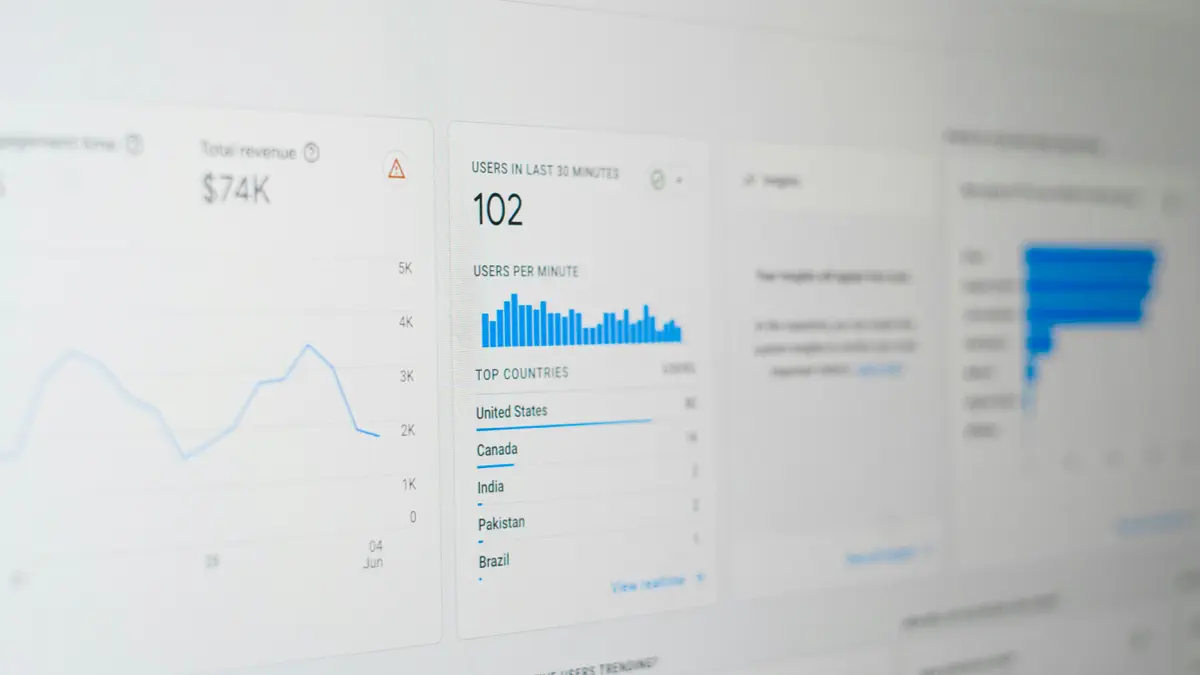
Is Ahrefs good for SEO? What does it excel at?
Among the features that Ahrefs offers, we must highlight its ability to deeply analyze our incoming links, identify keyword opportunities, and conduct thorough audits, which gives us a complete view of the digital environment in which we operate.
Compared to other SEO solutions—there are several alternatives to Ahrefs, such as SEMrush, Moz, or Ubersuggest, for example—the tool stands out for the precision and depth of its data, the robustness of its reports, and the ease of integration into any ongoing marketing projects we have.
From the Ahrefs Starter Plan or even using Ahrefs for free, we quickly find that Ahrefs’ usability is indeed high, allowing us to access data rapidly and in a highly** visual manner**.
Great Customer Support
The quality of support and customer service is always decisive when choosing a tool. Ahrefs provides us with various support channels, such as email, a helpful help center, and different specialized forums. All this allows us to resolve any doubts or issues quickly.
The response time is quick, and in our experience, the quality of support provided by the Ahrefs team is high, and the turnaround times are very reasonable. While it is not common to have to interact with the support team, rest assured that assistance is available if we have any questions.
Competition: Semrush vs Ahrefs
The best alternative to Ahrefs is undoubtedly Semrush. Is it better? Is it worse? It largely depends on our needs. In an analysis of SEMrush vs Ahrefs, we notice that while SEMrush offers a more complete SEO suite for digital marketing in general, Ahrefs shines in its specialization in traditional SEO analysis. Specifically, it excels at auditing incoming links (backlinks) and domains, as well as providing a powerful keyword search tool.
While we prefer Ahrefs for strategies focused on SEO per se, there are occasions when alternatives to Ahrefs can offer us some interesting functionalities. This is especially true in areas like PPC or social media, which might be relevant for us if we do not consider using a dedicated tool for that type of marketing.
Final Conclusions: Do We Recommend It?
We wholeheartedly recommend Ahrefs to all those business profiles that are looking for a traditional SEO analysis tool that combines precision, depth of data, and ease of use. With it, we can easily optimize our business strategies and verify their effectiveness by improving our ranking on search engines like Google.
Which sector is it recommended for? Because of its design, reach, and simplicity, Ahrefs is especially recommended for SMEs, agencies, and professionals who want detailed SEO insights on backlinks and the crucial performance of our reference keywords. These functionalities provide an unbeatable help in improving the SEO of our website.
On the other hand, those businesses that have a broader digital marketing focus might prefer tools that, perhaps moving a bit away from traditional SEO, include specific functions for PPC or social media. In this type of situation, we recommend opting for its main competitor, SEMrush.
Throughout this review of Ahrefs, it is clear that this SEO suite stands out compared to other options for its functionalities, ease of use, and good results. Overall, we are looking at an excellent tool for ensuring that our company’s website has a better presence on the internet. With a score of 8.6 out of 10, Ahrefs is ideal for creating successful content campaigns and improving the company’s URL visibility.