
The emergence of powerful search engines and assistants based on large language models (LLMs) has changed the rules of the game: it’s no longer enough to position for first page results, because most queries are now resolved with direct summaries generated by AI. For European small to medium businesses, this creates a dual challenge: maintaining brand visibility while still capturing traffic and leads in an ecosystem where users can get answers without ever leaving the search box.
SEO Isn’t Dead, It’s Changing
This change forever alters traditional SEO. AI summaries disrupt traditional SEO because they extract and condense information directly from web pages, snippets, and databases, prioritizing clarity and conciseness over length or classic keyword distribution. The result is fewer clicks to the original site, increasing competition to appear as a reliable source, and the need to optimize not only for indexing algorithms, but also for the criteria that AIs use when generating answers: structure, authority signals, and ease of knowledge extraction.
For an IT or marketing manager in these businesses, this translates into measurable impacts on key metrics: a drop in organic traffic, lower conversion per page, and challenges in attributing the origin of leads when the answer remains in the summary. In addition, Europe’s linguistic diversity and regulatory requirements (privacy, transparency) complicate the strategy: it is not just a matter of adapting content, but also of demonstrating reliability and compliance so that AI “cites” you as a preferred source.
This article takes a practical, targeted approach with a clear three-step framework—designed for small to medium businesses with limited resources—to ensure AI not only summarizes your content but cites it, driving traffic and protecting conversions. The framework combines content tactics, technical signals, and measurement adjustments: nothing theoretical, everything actionable for small teams.
To walk through these steps, we’ve partnered with two leading experts: Esteve Castells, an independent SEO consultant and growth advisor with extensive experience scaling large websites for both traditional and AI-driven searches; and **Natzir Turrado, an international SEO and CRO consultant with over 15 years of experience **helping brands boost visibility and conversion rates.
Step 1: Master the basics
The first step in adapting your SEO strategy to the era of AI summaries is to go back to basics, but with an updated approach. The fundamentals of ranking haven’t gone away; what’s changing is how AI algorithms prioritize and use those elements to build fast, reliable answers.
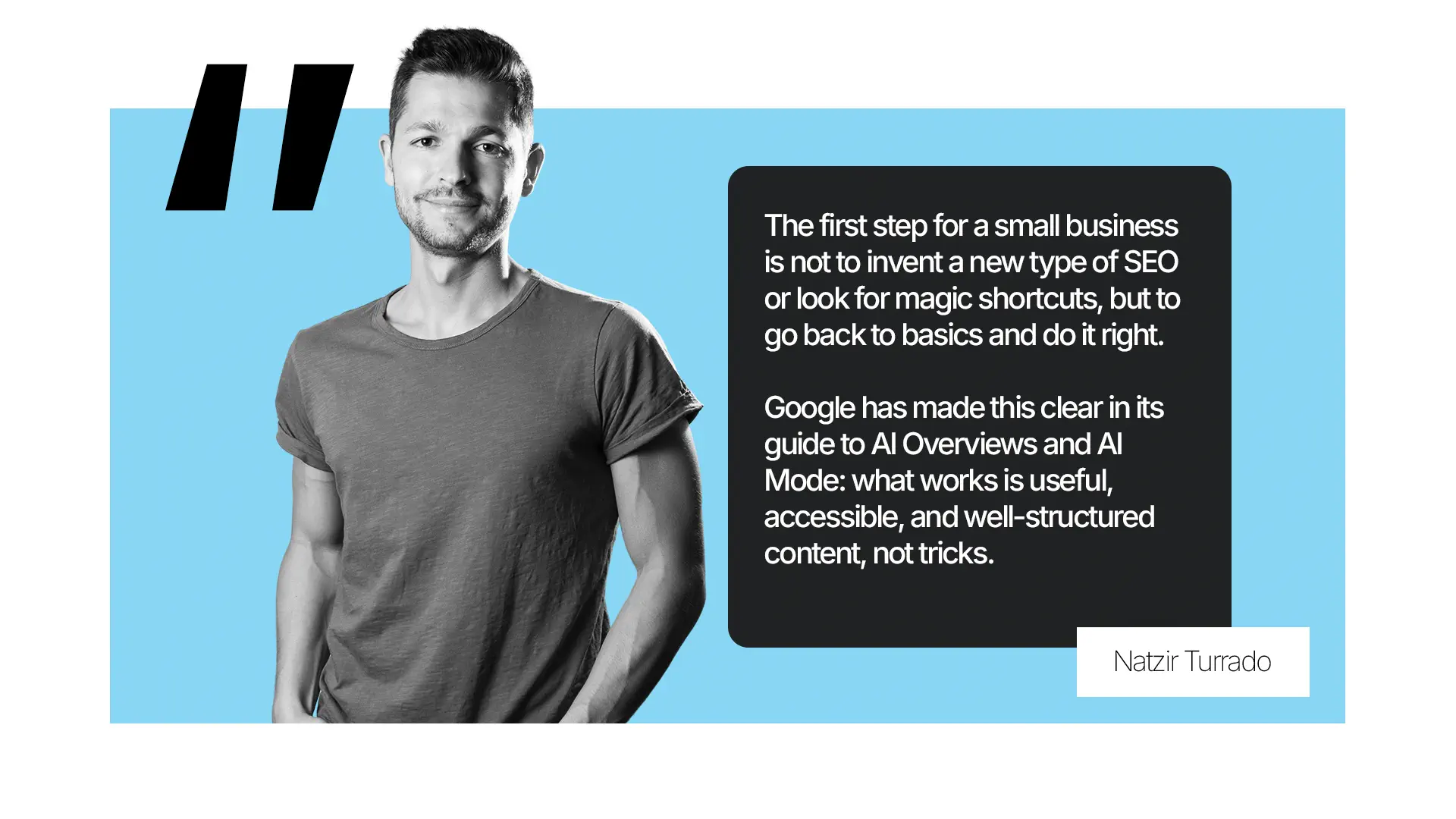
“The first step for a small business is not to invent a new type of SEO or look for magic shortcuts, but to go back to basics and do it right. Google has made this clear in its guide to AI Overviews and AI Mode: what works is useful, accessible, and well-structured content, not tricks,” explains Natzir.
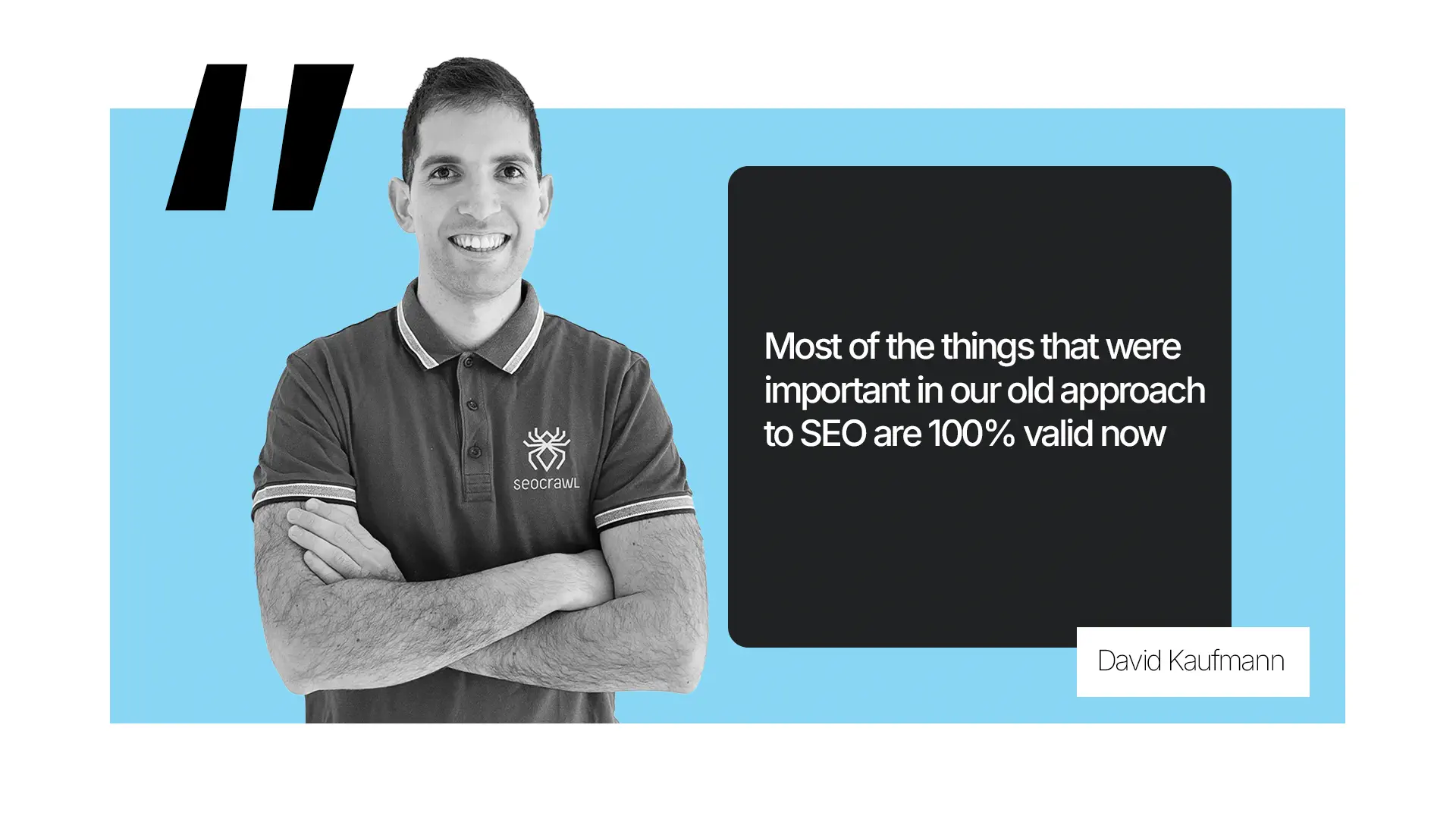
And David thinks exactly the same: “Most of the things that were important in our old approach to SEO are 100% valid now.”
For an SMB, mastering these basics is the foundation that ensures content is visible, understandable, and easily summarizable by AI.
Focus on unique, people-centered content
Artificial intelligence seeks clear, differentiated, and valuable information. Duplicate, generic, or overly keyword-oriented content loses relevance. To stand out, it’s a good idea to write texts that directly answer your customers’ questions, using a friendly tone and practical solutions.
For example, if you are an SME dedicated to software, instead of repeating “best billing software” a hundred times, it is more useful to explain in detail how to solve a billing problem in different European scenarios (VAT in Germany, withholdings in Spain, etc.). This not only improves your positioning, but also increases the likelihood that AI will choose your content as a source.
Use structured and semantic HTML
As Natzir explains: “If your content is not accessible, neither Google nor the new agents that browse the web will be able to use it. Use appropriate headings (H1, H2, H3), lists, tables, and semantic HTML.”
This is because AIs rely on structure to extract information. Well-hierarchized headers (H1, H2, H3), ordered and unordered lists, and clear tables make your content “easy to read” for both humans and machines.
An article with endless, poorly organized blocks of text will be less attractive as a source for AI. Think of your website as if it were a technical manual: the more orderly and consistent the structure, the more likely you are to appear in summaries.
Here, Natzir reassures everyone who thinks that traditional SEO in the world of AI is useless: “If you were already working with clear, structured, semantic, and accessible content, designed for featured snippets and rich results, then you were already doing SEO for AI without even knowing it,” he explains.
Prioritize fast, mobile, and accessible websites
User experience is key, and search engines take it into account when determining which pages are trustworthy. An SMB that invests in optimizing load times, applying responsive design, and meeting accessibility criteria not only improves its SEO, but also sends a clear signal to AI: “this site is reliable and usable.”
With mobile devices now the main gateway across Europe, overlooking this factor means losing visibility in both search engines and voice assistants.
Add structured data only when relevant
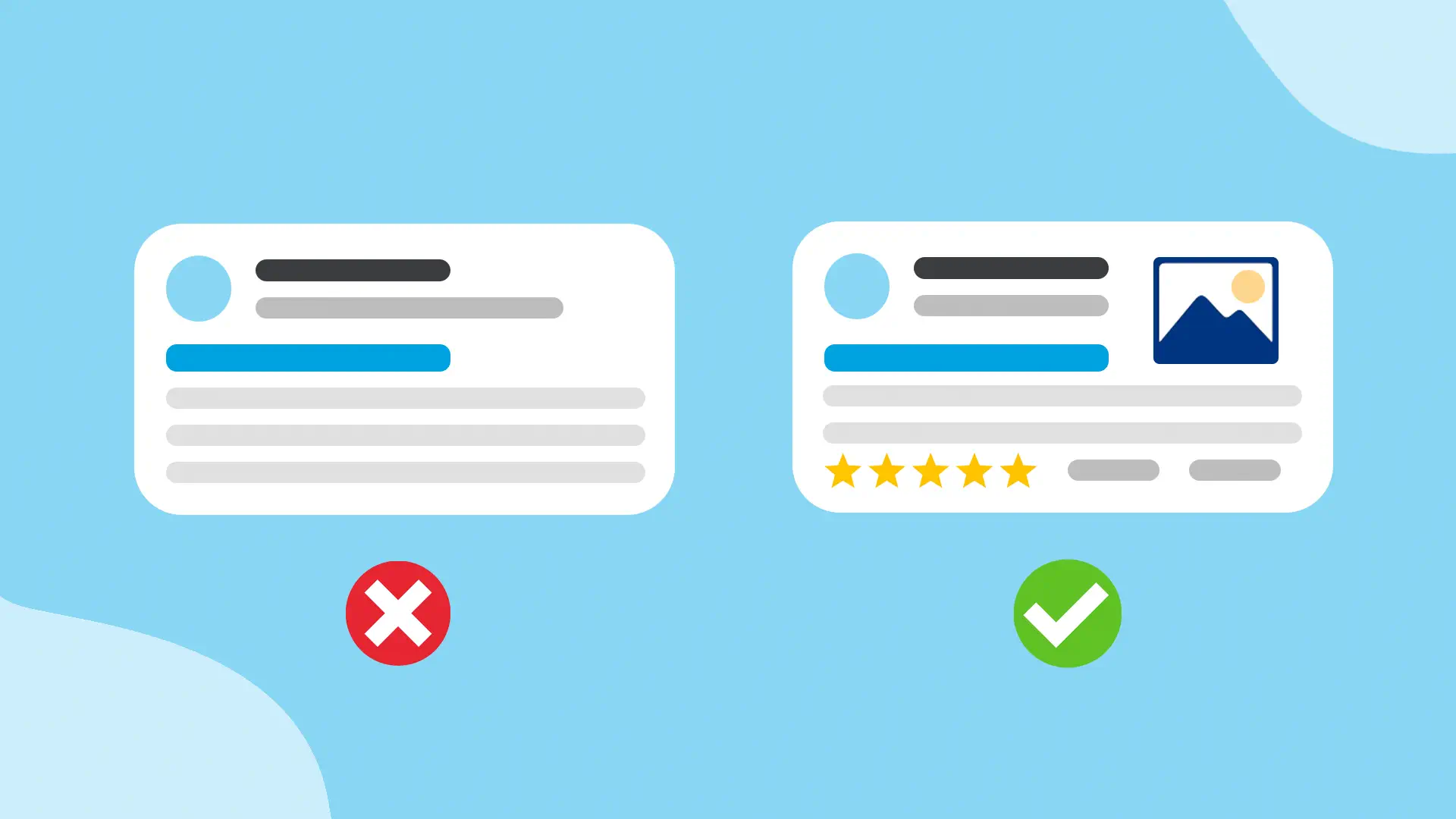
Structured data (schema.org) helps engines better understand your website’s content. However, it’s not about filling everything with meaningless markup. For an SMB, the most practical thing to do is to add a schema of key elements: products, reviews, events, or articles.
If you are an e-commerce site for local products, having your product markup correctly configured can make AI highlight your prices, ratings, and availability in a summary. But excessive or incorrect use can even harm you, so it is advisable to apply structured data judiciously.
Use multimodal content
AI no longer just summarizes text: it also interprets images, graphics, and videos. If you complement your articles with clear infographics, video tutorials, or explanatory screenshots, your content gains authority and relevance.
A mixed-format guide is more attractive to users and more useful to AIs seeking to provide comprehensive answers. For example, a short video explaining how to use your product may end up being quoted or embedded in a search summary.
Step 2: Diagnose and measure the impact
Once you have secured the fundamentals of AI-adapted SEO, the next step is to understand how this new scenario is actually affecting you. For an SMB, measuring is as important as acting: without a clear diagnosis of the impact of AI summaries on your traffic and visibility, any strategy will be a shot in the dark, hoping to hit the target.
The key is to detect the signals, use the right tools, and learn to differentiate between the different types of engines that generate summaries.** As David says, “You don’t need to spend thousands of dollars on expensive tools. First, understand where your customers are and what the action plan is, and then properly assess exactly what tools your business needs to deliver that value.”
**Here’s what David has to say on this point: **“In my humble opinion, there are two things that will likely accelerate significantly in the coming months. 1. First, the implementation of AI mode as the default worldwide, not just in certain countries, which will completely change the way people search and interact with searches. 2. Second, the potential growth of LLMs in terms of monthly active users, which will cause the percentage of AI traffic versus classic search traffic to grow and priorities to be reassigned.”
How to detect when AI summaries are affecting your traffic
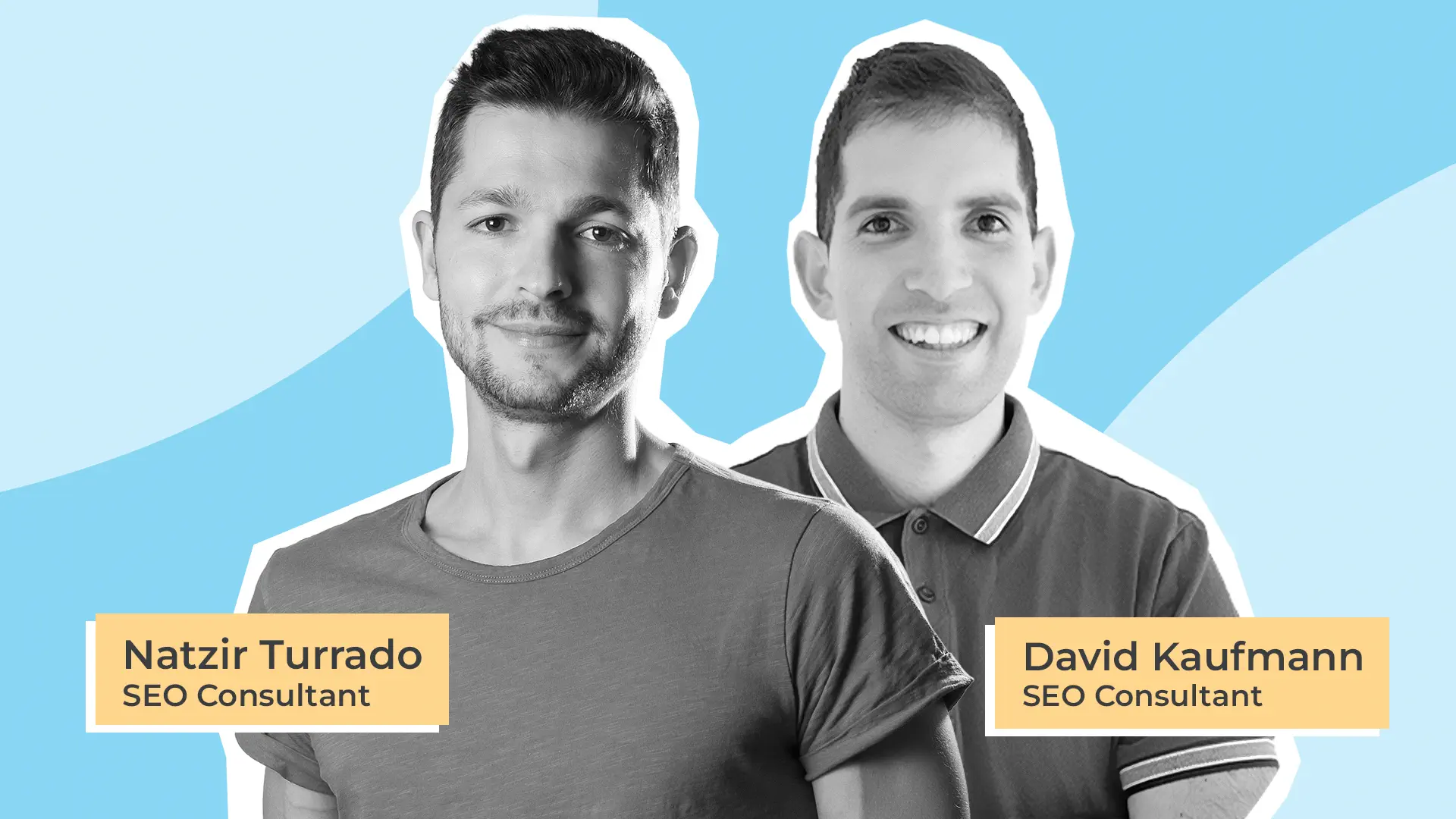
The most obvious symptom is a drop in CTR (Click Through Rate) in results where you previously had a good ranking. Imagine that your page still appears in the top position on Google, but clicks are down 30%: the answer is probably already being provided by an AI summary at the top.
It’s also worth looking at the difference between impressions and clicks in Search Console. If impressions are up or holding steady, but clicks are down, it’s a clear sign that users are sticking with the summary without visiting your page.
Use tools: Search Console, Ahrefs, Sistrix
Google Search Console remains the most accessible and useful tool for SMEs. It allows you to analyze click, impression, and CTR trends in a granular way, identifying the most affected pages and queries.
**Paid tools such as Ahrefs or Sistrix provide an additional level: **visibility analysis in different European markets, keyword evolution, and competitor monitoring. For an SMB with limited resources, the recommendation is to combine Search Console (free) with a lightweight paid tool, at least for a few months, to get an initial snapshot.
Importance of consensus and topicality for positioning in AI responses
Unlike classic SEO, where domain authority could outweigh other factors, AI models tend to prioritize content that reflects consensus (several sources agreeing on the same idea) and topicality.
This means that a technical article from two years ago, even if it is still ranked, may not be used as a source by AI if there is a more recent version cited by others. For SMBs, keeping content up to date is not optional: it is a condition for continuing to appear in summaries.
Distinguishing between Google’s AI summaries and other LLMs
“Once your content is well structured and accessible, the next step is to carefully measure how AI affects you on different search fronts. And here it is essential not to mix concepts: what happens within Google with general AI descriptions is not the same as what happens in LLMs such as ChatGPT, Gemini, or Perplexity when they search outside their memory,” reasons Natzir.
The fact is that not all AIs work the same way. Google is integrating summaries into the search experience (Search Generative Experience), and that directly affects web traffic.
“Google’s AI features are based on the same crawlers and indexing technologies (such as BERT) that have been analyzing content for years,” says Natzir, explaining that AI does not change the scenario so much for those who have been doing good SEO for years.
On the other hand, large language models such as ChatGPT or Gemini generate conversational responses that do not always include links to sources. To stand out, it is crucial to understand the difference: the former impacts traditional SEO, while the latter affects brand reputation and authority in a broader context (for example, if your company is mentioned in a user prompt).
The role of digital public relations in obtaining citations in AI responses
Visibility does not depend solely on on-page optimization. Digital public relations—press releases, collaborations with specialized media, mentions in relevant blogs—help your content circulate and be recognized as a reliable source.
This not only attracts backlinks, but also increases the chances of AIs using you as a reference in their summaries. For an SMB, an affordable strategy is to work with local associations, industry media, or technology partners: a couple of well-placed mentions can make all the difference.
Step 3: Provide what AI cannot
After mastering the basics and learning how to diagnose impact, the most decisive moment arrives: differentiation.
If AIs are designed to condense information and return immediate answers, the winning strategy for an SMB is to offer what these machines cannot generate on their own: original research, human insight, and a unique brand voice.
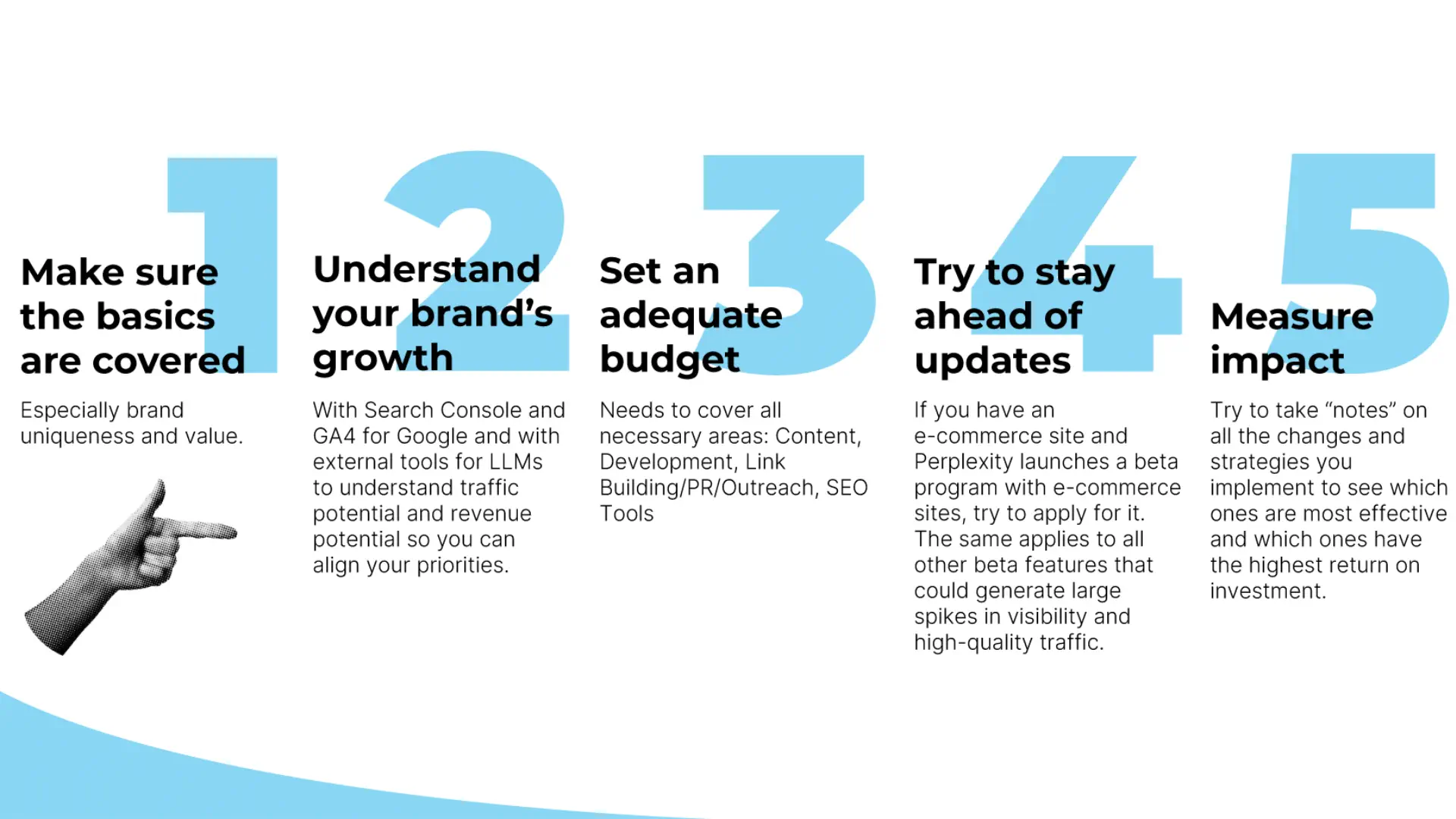
This third step focuses on providing added value that transcends automatic summaries and makes your site a must-visit destination. But before we get into that, here’s what David has to say about the final step: “So far, we’ve been able to provide some generic steps, but if we have to be specific, I’d like to share the following:
- Make sure the basics are covered, especially brand uniqueness and value.
- Understand your brand’s growth with Search Console and GA4 for Google and with external tools for LLMs to understand traffic potential and revenue potential so you can align your priorities.
- Set an adequate budget that covers all necessary areas: Content, Development, Link Building/PR/Outreach, SEO Tools
- Try to stay ahead of updates, i.e., if you have an e-commerce site and Perplexity launches a beta program with e-commerce sites, try to apply for it. The same applies to all other beta features that could generate large spikes in visibility and high-quality traffic.
- Measure impact: Try to take “notes” on all the changes and strategies you implement to see which ones are most effective and which ones have the highest return on investment.
Original research, case studies, expert commentary, unique data**
“Bring what AI can’t: depth, authority, and humanity. Once you’ve covered the basics (structure, data, keywords), the next step is to maximize the quality and originality of your content,” reflects Natzir.
AIs work with existing content, but they don’t create new information. If you produce industry surveys, customer case studies, expert interviews, or reports with data that isn’t available elsewhere, your content becomes irreplaceable.
For example: a financial consulting SME that publishes a study on the adoption of the digital euro in German SMEs will generate an information asset that no AI can replicate accurately. These types of pieces increase your authority and multiply the chances of being cited as a source.
Build subject authority → become a trusted niche resource
To compete in the age of AI summaries, you don’t need to be a giant, but rather a leader in your niche. Google and other search engines tend to trust websites that show clear specialization.
Instead of covering too many topics, focus your strategy on building a solid repository of what you know best: from European regulations in your sector to practical guides for SMEs in a specific market. This way, AI will associate your brand with that topic and repeatedly refer to your site as a source.
Human touch: personality, stories, and brand voice
What differentiates AI-generated content from human-generated content is tone, narrative, and authenticity. Including customer stories, anecdotes from your team, or opinion-based comments reinforces your brand identity. AI can summarize data, but it cannot convey emotional trust or generate empathy.
For an SMB, this point is key: telling how your product helped a customer in Italy overcome a specific challenge is worth more than repeating the technical specifications. That “human touch” generates connection, loyalty, and differentiation.
Anticipating an “agenic” future: semantic and accessible HTML for AI agents
The future of search points to an ecosystem where users will interact with AI agents that will browse the web on their behalf: booking hotels, purchasing software, or choosing suppliers without direct intervention.
In this new scenario, your content must be perfectly readable and accessible to these agents. Maintaining semantic, structured, and accessible HTML not only helps today, but also prepares you for a tomorrow where AI will be making decisions for users. For SMEs, this means investing now in clean, standardized, and easy-to-process websites.
Key idea / Quick win
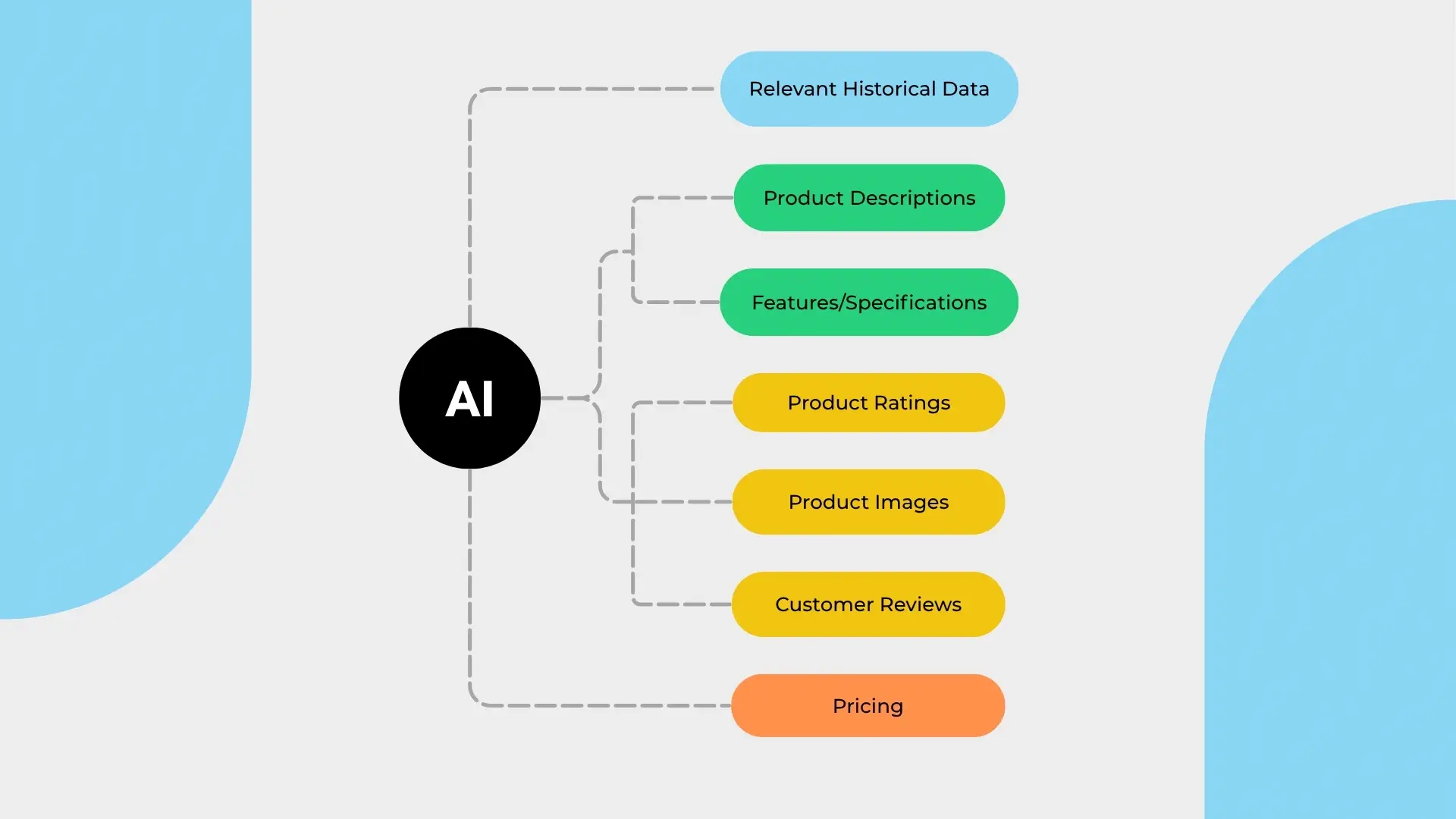
A simple adjustment to your website that can have a big impact for any European SME is to take advantage of detailed local reviews**. AIs particularly value clear and specific customer testimonials because they act as social proof and reinforce trust in the source.
“It’s a quick win because it doesn’t depend on redesigning a website or a large investment in content. You just need to actively ask satisfied customers to leave clear and useful reviews, encouraging them to mention what sets you apart. In the short term, these reviews feed both Google’s local rankings and AI-generated responses, making a real difference compared to competitors who continue to ignore this,” explains Natzir.
A review that explains how your product solved a specific problem (“The tool helped us automate intra-community VAT invoicing in Portugal in less than a week”) carries more weight than a simple “Excellent service.”
**The immediate action is to encourage your customers to leave complete and useful reviews on Google Business Profile, local directories, and industry platforms. **This not only improves your local search ranking, but also increases the chances that AI will cite your business as a relevant resource in its summaries. It’s a small investment of time that can multiply your visibility almost instantly.
Conclusion: long-term vision
Adapting to SEO in the age of AI summaries is not a passing fad, but a structural transformation. Today, the challenge is to optimize so that generative models cite you and reinforce your digital presence. But tomorrow, the scenario will go further: users will interact with AI agents capable of making decisions for them, from choosing suppliers to managing entire purchasing processes.
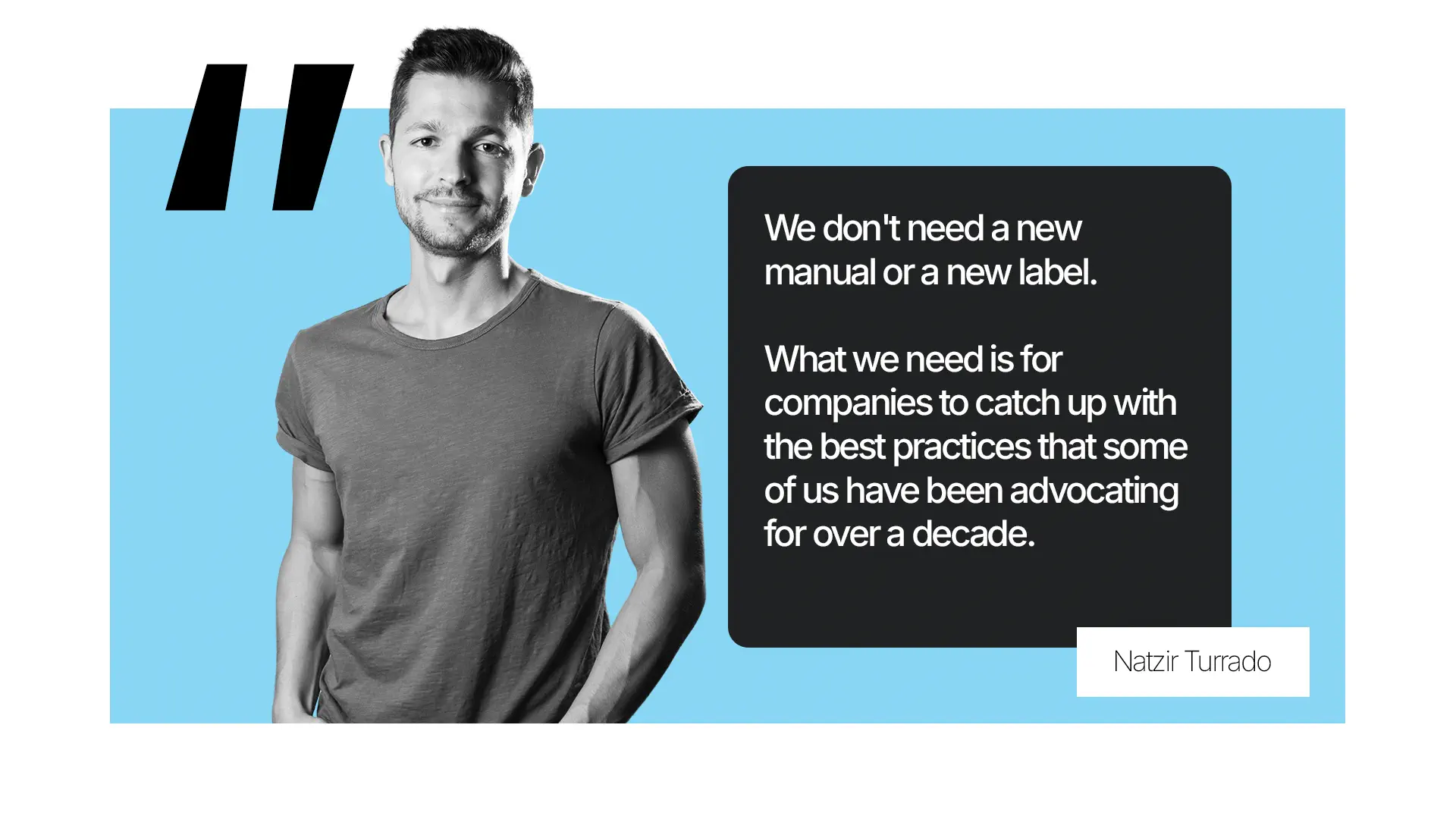
For Natzir, the future has been in the works for ten years; we just need to tweak a few things**: “We don’t need a new manual or a new label. What we need is for companies to catch up with the best practices that some of us have been advocating for over a decade.”
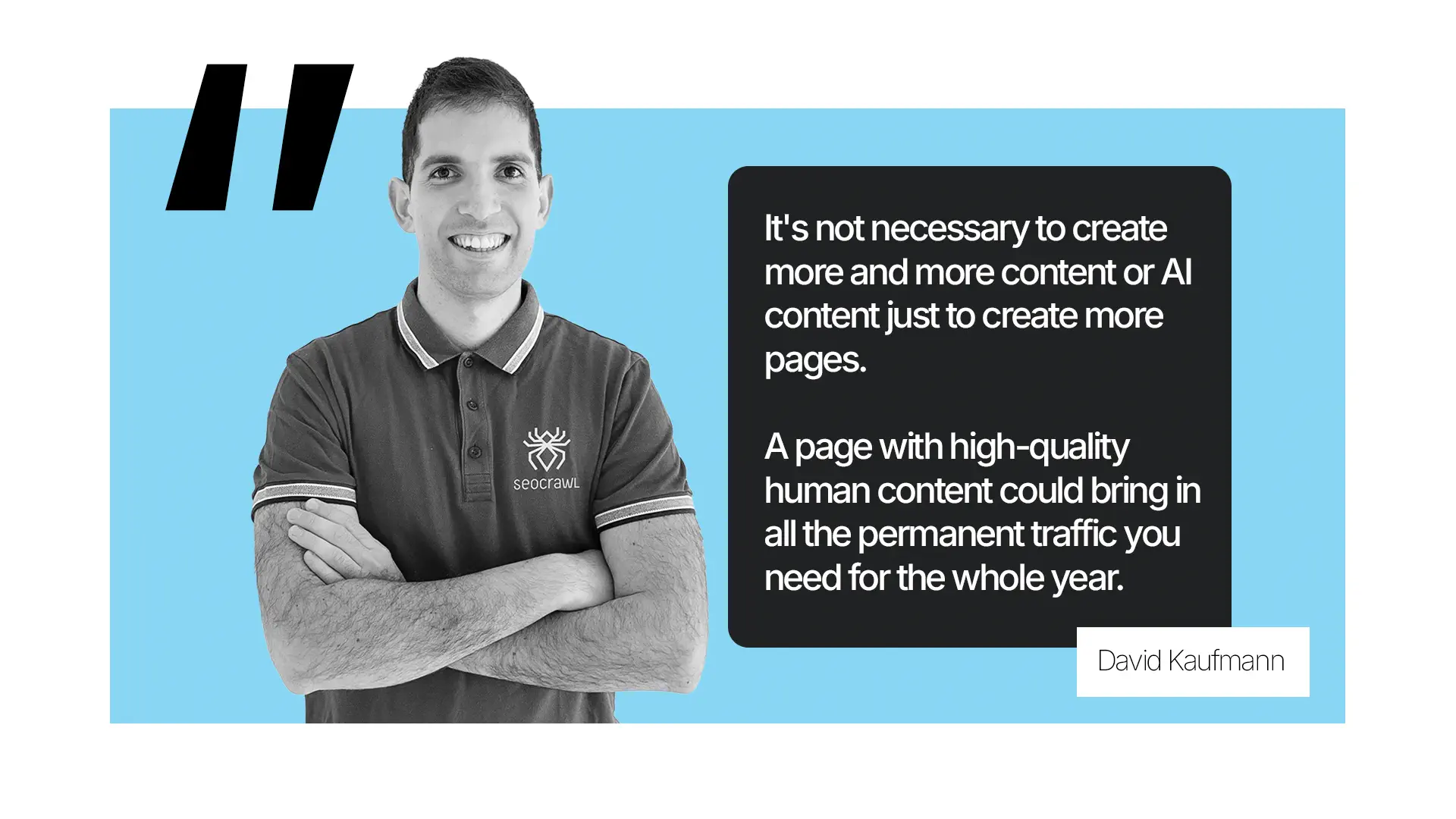
And David agrees: “It’s not necessary to create more and more content or AI content just to create more pages. A page with high-quality human content could bring in all the permanent traffic you need for the whole year.”
For SMEs, this means getting ahead of the game now. It means building accessible websites with reliable, differentiated content and clear signs of authority. It also means investing in what machines cannot replace: original data, subject matter expertise, and an authentic brand voice.
The future will not only be about summarized search, but also about delegating tasks to intelligent agents. Those who start today to adapt their SEO with a human-centered, structured, and AI-ready strategy will be in a position to not only withstand disruption, but to lead their industry when the next wave of digital transformation arrives.